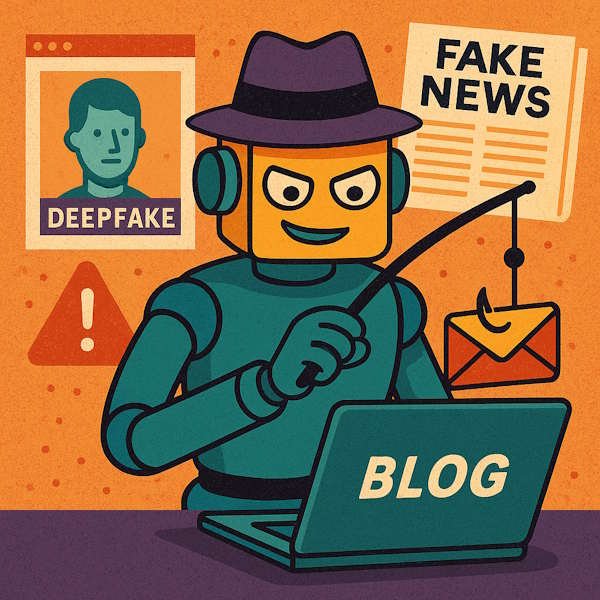
Picture this: You’re sipping your morning flat white, scrolling the headlines, and stumble across The Birdsville Herald. Seems like any other sleepy-town news site, right? Wrong. It might just be a wolf in sheep’s flannel—a clever pink slime site, blending real news with AI-spun fairy tales faster than you can say “democracy”.
Welcome to the new frontier of online deception, where fake news doesn’t just wear a disguise—it deepfakes its own press pass.
What the heck is a “Pink Slime” site anyway?
Contrary to the image your brain just conjured (sorry, meat industry), pink slime sites are shady online publications made to look like trustworthy local news. Think Wagga Times or Kalgoorlie Gazette—except behind the clickbait curtain is a foreign threat actor, not your cousin Bruce on the council.
They cherry-pick real articles, add a pinch of fiction, and stir until the mix is spicy enough to go viral on social media. Sprinkle in generative AI, and voilà! Disinfo on tap.
“Phishing is like dating in the 2020s — if it looks too good to be true, it’s probably a catfish with malware.”
Generative AI: The cybercriminal’s new BFF
AI hasn’t just arrived at the party—it brought snacks, fake ID, and a stack of forged press releases. Whether it’s translating manipulative articles into Aussie English or generating eerily lifelike deepfake voices of public figures, today’s attackers are not just sophisticated—they’re multilingual and fast.
One example? Voice deepfakes. These aren’t your mate doing a bad ScoMo impression—these are audio fakes so convincing, they could fool your own mum. Even the ABC jumped in with an experiment using Senator Jacqui Lambie’s voice. Terrifyingly real.
“What do hackers and stand-up comedians have in common? Timing. Especially during election season.”
Why elections are hacker heaven
Elections are emotional, urgent, and full of opinionated relatives on Facebook. In short: perfect conditions for disinformation to flourish. From deepfake videos to scam emails claiming you’ll be fined if you don’t update your voter info, it’s a smorgasbord of social engineering.
Microsoft’s Ginny Badanes points out that while global AI manipulation wasn’t as widespread in 2024 as feared, notable cases still popped up—especially during the final 48 hours before voting. That’s the window when emotions are high and defenses are low.
The classic scams are still thriving, too
Let’s not forget our old cyber foes—like phishing emails asking you to urgently click a link to “confirm your electoral details”. Spoiler alert: they don’t lead to the AEC. They lead to malware, stolen data, and that sinking feeling in your gut.
Mark Anderson from Microsoft ANZ recommends the golden rule: pause, verify, and go straight to the official source. If you feel rushed, you’re being manipulated.
What you can do (besides moving to a cave)
It’s not about becoming a tinfoil hat conspiracy theorist—it’s about developing a healthy level of skepticism. Ask:
- Does this sound too perfect?
- Can I verify the source?
- Is the headline making me feel something urgent or angry?
If so, breathe, check, and don’t share it until you’re sure. That little pause could stop a cyber campaign in its tracks.
Final Thought: Don’t feed the slime
In a world where truth can be distorted by AI, manipulated by foreign actors, and deepfaked until your own ears betray you, the only real antivirus is you. Your judgment. Your curiosity. Your ability to question even the most convincing Birdsville headlines.
Stay savvy, mate.